The monastic garden in Dignac
-
 Photo credit© PropriétaireLicenseAll rights reserved
 -
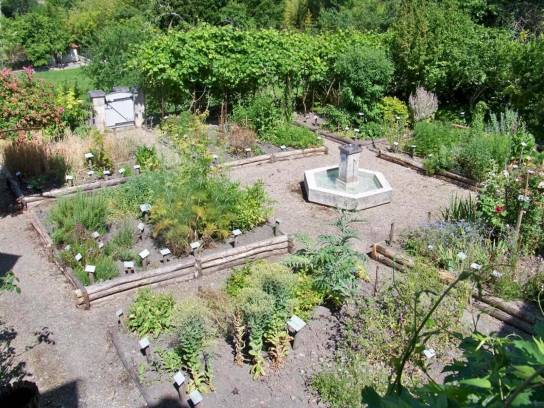 Photo credit© PropriétaireLicenseAll rights reserved


About
The monastic garden in Dignac is a traditional garden that combines vegetable cultivation with medicinal and ornamental plants, offering a peaceful space rich in biodiversity.
Background and History
The concept of the monastic garden dates back to the Middle Ages, when such gardens were established near abbeys and parsonages to ensure the religious community’s self-sufficiency in food and medicine. These gardens combined vegetables, medicinal herbs, and decorative flowers to beautify places of worship and provide plants for therapeutic and culinary uses. The Dignac garden, created in 2000 under the name “Medieval Garden” by the Dignac entertainment committee, revives this tradition by drawing inspiration from Charlemagne’s capitulary *De villis* to select approximately 160 plant species. It is entirely maintained by volunteers and reflects medieval techniques and aesthetics.
Composition and Layout
- Medieval structure: although the tradition of monastic gardens suggests a space that is sometimes disorganized, the Dignac garden, covering an area of 380 m², features 8 regular flowerbeds surrounding a central 9th bed occupied by a fountain. The layout evokes a cross, a typical symbol of the Middle Ages, and each flowerbed is raised and surrounded by chestnut hedges.
- Central fountain: It symbolizes water and purity and features four jets representing the four rivers of paradise.
- Plants: The garden features a harmonious blend of a vegetable garden, textile plants, dye plants, medicinal herbs, ornamental flowers, an orchard, and a Mary’s Garden. The plants are labeled with their French, scientific, and medieval names, along with their historical uses, to highlight the garden’s botanical history. Certain species have specific historical uses, such as hops or hawthorn for their medicinal properties.
Objectives and Tour
The monastic garden in Dignac offers an experience that combines aesthetics, meditation, and self-sustaining gardening. It is a botanical patchwork where the vegetable garden, aromatic and medicinal herbs, and ornamental flowers coexist. Visitors can observe the botanical diversity, learn how to use heirloom plants, and rediscover a rural lifestyle that respects nature.
This garden serves as a living testament to traditional monastic gardens, blending horticultural heritage with a space for relaxation, and inspiring gardening enthusiasts and local history buffs to recreate these authentic atmospheres in their own homes.
Visit
Conditions de visites
Opening hours
Prices
Equipment and services
- Free parking
- Toilets