Notre-Dame Church (Trois-Palis)
-
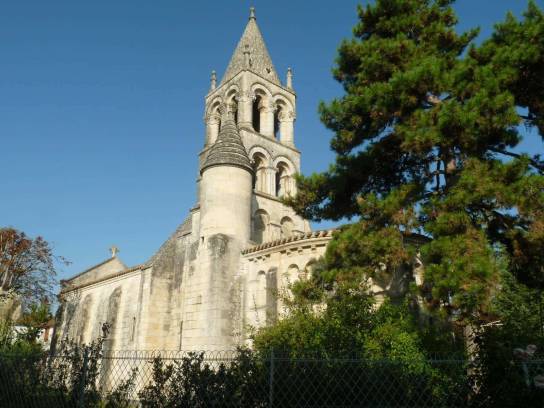 Photo creditJack maLicenseCC BY-SA 3.0
-
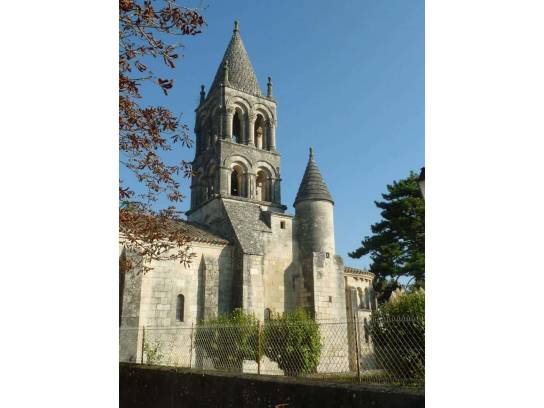 Photo creditJack maLicenseCC BY-SA 3.0
-
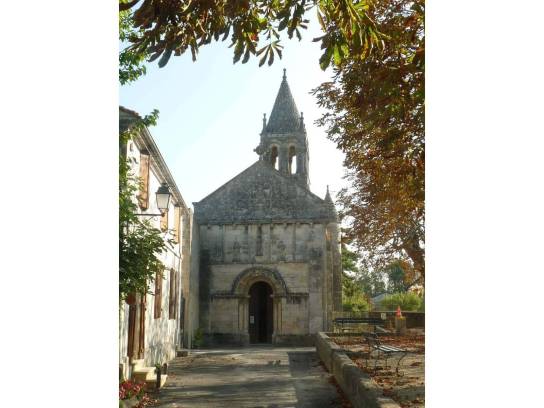 Photo creditJack maLicenseCC BY-SA 3.0
-
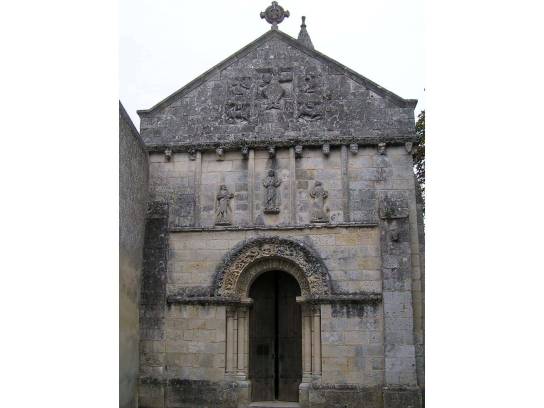 Photo creditRosierLicenseCC BY-SA 3.0
-
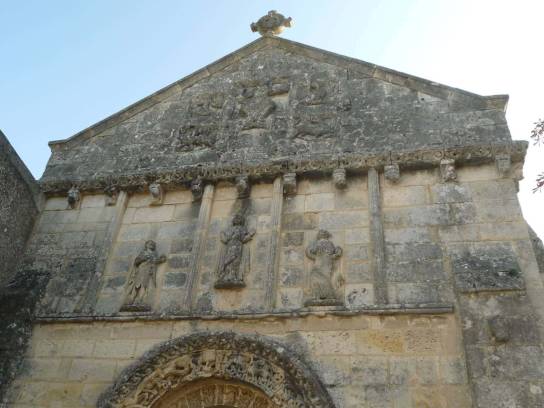 Photo creditJack maLicenseCC BY-SA 3.0
-
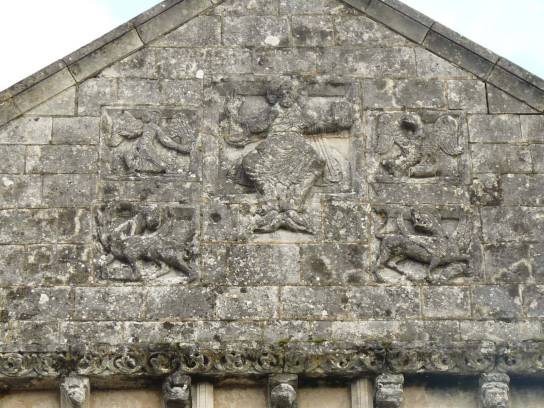 Photo creditJack maLicenseCC BY-SA 3.0
-
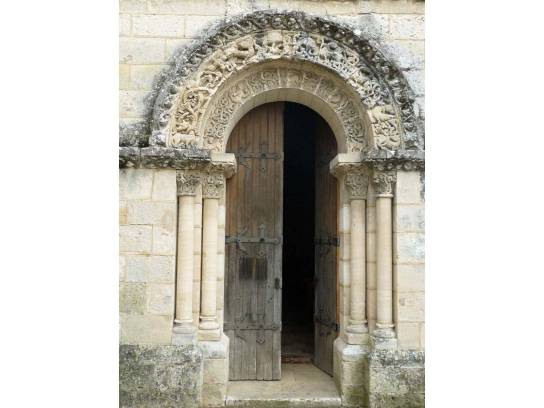 Photo creditJack maLicenseCC BY-SA 3.0
-
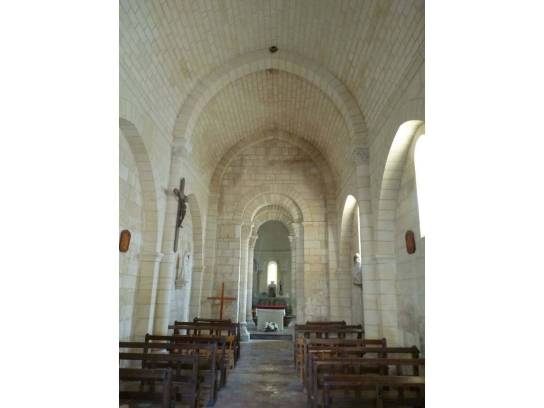 Photo creditJack maLicenseCC BY-SA 3.0


About
A few kilometers from Angoulême, in the heart of the village of Trois-Palis, the Church of Notre-Dame is a small Romanesque building whose carved façade is one of the finest examples of medieval religious art in the Angoumois region. Listed as a Historic Monument since 1886, it retains a silhouette largely inherited from the Middle Ages, despite several rounds of renovation and restoration.
History
The Church of Notre-Dame is a fine example of Romanesque architecture in the Angoumois region. While the available sources primarily allow us to trace its architectural evolution, the building retains most of its medieval features.
In the 17th century, the church underwent repairs, followed by a major restoration campaign in the late 19th century. In 1891, the diocesan architect Édouard Warin led a general restoration, at a time when Romanesque monuments were commonly restored in the spirit of historicist reconstruction. A more limited restoration of the gutters was carried out in the 1980s under the supervision of Bâtiments de France.
The church was designated a Historic Monument in 1886, a particularly early designation that attests to the importance accorded to its architecture and, above all, to its sculpted decoration.
Architecture
The building, of modest dimensions, approximately 24 meters long by 5.2 meters wide inside, features a very clear layout.
The single nave is divided into three bays. It is followed by a bay located beneath the bell tower, then by a short bay leading to the semicircular apse. The north wall of the nave is blind, further emphasizing the simplicity of the architecture.
The bell tower is a particularly picturesque feature of the silhouette. Its scale-like roof, reminiscent of a pinecone, makes the church easily recognizable from afar in the town's landscape.
But it is the western façade that truly captures the eye. Its sculptures, deliberately austere in style, belong to the Romanesque artistic tradition and are part of a decorative program that is both aesthetic and educational. Today, they constitute one of the building's main heritage attractions.
Heritage
The façade deserves close attention. In Charente Romanesque architecture, monumental sculpture is never purely decorative: it accompanies the liturgy and conveys to the faithful a world of images, symbols, and religious teachings.
At Trois-Palis, this sculptural richness contrasts with the almost austere simplicity of the church's form. It is precisely this contrast that gives the monument its elegance: a modestly proportioned structure that concentrates the bulk of its artistic expression on its façade.
The 19th-century restorations sought to restore a coherent Romanesque appearance to the entire structure. However, they altered certain parts of the nave and the eastern end, in accordance with the restoration principles in effect at the time.
Visit
The church is located in the center of the village of Trois-Palis. It's particularly enjoyable to explore as part of a heritage walk around the village.
Start with the façade: take the time to examine the Romanesque sculptures, which are the building's true treasure. The bell tower is also worth a look from the outside, particularly for its original scale-like roofing.
Inside, the small nave has a much more intimate atmosphere. The sequence of three bays, the bay beneath the bell tower, and the apse immediately reveal the church's structure.
Finally, the Church of Notre-Dame is part of a broader heritage landscape—that of the Charente Valley, near Angoulême. It is a modest yet valuable stop for anyone wishing to explore the Romanesque buildings of the Angoumois region beyond the most famous monuments.
Key Facts
Period: Romanesque
architecture Style: Charente
Romanesque Distinctive feature: richly sculpted
façade Bell tower: pine-cone-scale
roofing Layout: single nave with three bays, a bay beneath the bell tower, and a semicircular
apse Major restoration: 1891, Édouard Warin
Protection: Designated a historic monument since 1886
Entry from the Mérimée database (architectural heritage): PA00104526
Visit
Conditions of visits:
Opening hours
Prices
Equipment and services
- Wheelchair-accessible car park