Jardins de la Fontaine
-
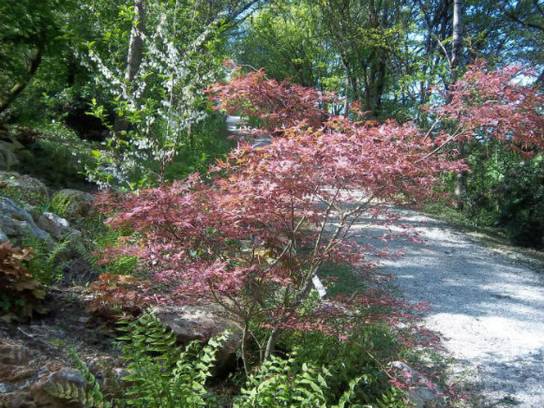 Photo creditMornacLicenseAll rights reserved
-
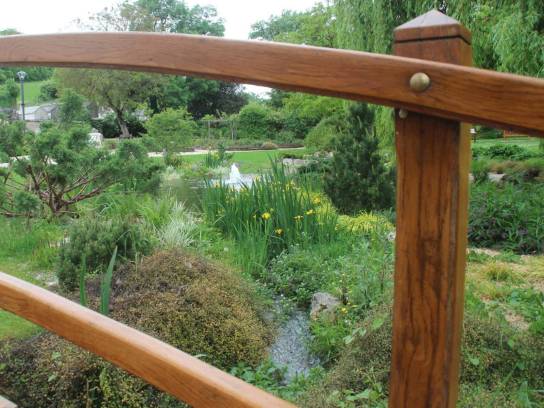 Photo creditgoldObot
-
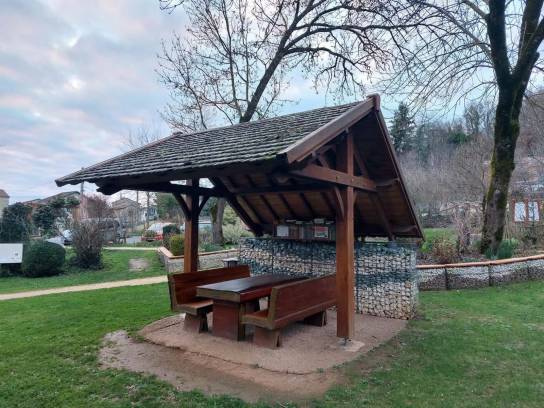 Photo creditMornacLicenseAll rights reserved


About
The Jardins de la Fontaine in Mornac is a landscaped botanical park covering around 2 hectares, laid out as a series of plant displays, each with its own distinct atmosphere. With its arboretum, heather garden, scented trail, old wash house and rose garden, a visit here invites you to discover the plants through their colours, shapes and scents.
Discover
Introduction
Situated in the village of Mornac, north-east of Angoulême, the Jardins de la Fontaine, also known as the Jardins de Mornac, form a landscaped park organised into several botanical areas. Covering approximately two hectares, the plantings create a walking route featuring a succession of ornamental foliage, trees and shrubs, fragrant plants and rose bushes. The garden reveals itself gradually, as visitors move through different atmospheres and changes in vegetation.
The route combines an ornamental aspect with features linked to water and rural heritage, notably an old wash house surrounded by tree ferns. The diversity of the plantings makes the site particularly appealing to lovers of gardens, botany and landscape design.
Landscapes and natural habitats
The park is characterised by a succession of themed gardens rather than a uniform natural landscape. The vegetation frames the views, creates shaded areas and highlights variations in colour, texture and height.
The main plant groups are:
- The heather garden, where the foliage of Japanese maples, dogwoods and birches offers seasonal contrasts.
- The arboretum, which brings together several species of trees and shrubs.
- The Prickly Garden, dedicated in particular to holly and brambles.
- The Scent Trail, featuring plants whose fragrances accompany visitors on their walk.
- The Hanging Garden, laid out around an old wash house.
- The rose garden, which features over 100 varieties of roses.
The washhouse and its surroundings form a unique feature of the garden, where vegetation complements an ancient water-related structure.
Flora
The plant collections are the site’s best-documented naturalistic feature.
- Japanese maples: prized for the diversity of their foliage and their autumn colours.
- Dogwoods and birches: found in the heather garden.
- Viburnums: grouped together in particular in a copse within the arboretum.
- Holly and brambles: at the heart of the prickly garden.
- Lilacs, osmanthus, honeysuckle and peppermint: along the scented trail.
- Roses: a collection of over 100 varieties.
- Tree ferns: around the old wash house.
Ecological and heritage value
The Jardins de la Fontaine are, above all, of botanical, landscape and educational interest. The diversity of plant species, the horticultural collections and the succession of landscaped areas allow visitors to observe different forms of vegetation within a relatively compact space.
The old wash house adds a heritage dimension to the walk, whilst the hanging garden illustrates how a built feature can be integrated into a plant composition.
Things to see and observe
- The rose garden. Take the time to admire the variety of roses, their shapes and their scents. The spring and summer blooms generally offer the best opportunity to appreciate their nuances.
- The heather garden. Look out for the contrasts between the foliage and the bark, which are particularly striking when the maples take on their autumn colours.
- The old wash house and the hanging garden. Observe the interplay between the historic building, the tree ferns and the green roof.
- The arboretum. Compare the shapes, bark and foliage of the trees and shrubs. This part of the park lends itself to a close botanical exploration.
Exploring the site
The best way to visit the Jardins de la Fontaine is to follow the paths and take your time exploring each area.
- Wander freely: explore the gardens at your own pace, without worrying about how far you’ve gone.
- Discover the plants: compare the shapes of the leaves, the bark, the flowers and the scents.
- Enjoy a family outing: use the diversity of the gardens as a basis for observation and discovery.
- Photograph the plant arrangements: focus on the details of the flowers, the contrasts in the foliage and the perspectives.
- Take a break: make the most of the benches and facilities in the park.
The trail is a walk within the garden, not a separate hiking route.
Seasonal highlights
- Spring: Flowers bloom in succession and new leaves highlight the diversity of the plantings. This is a good time to explore the scent trail and see the first rosebushes in bloom.
- Summer: The rose garden and fragrant plants offer a visit rich in colour and scent. The cooler parts of the day are best for a comfortable stroll.
- Autumn: The maples and other deciduous trees take on a variety of colours. This is a particularly interesting time to observe the garden’s colours and textures.
- Winter: There are fewer blooms, but the silhouettes of the trees, the bark and the structure of the plantings remain visible.
These guidelines are based on the usual growth cycles of the plants mentioned. The exact dates of flowering depend on the species and the weather conditions each year.
Nearby
- Bois Blanc Forest. A woodland area well worth exploring to enjoy a change of scenery after visiting the gardens and to rediscover wooded landscapes. Access depends on the section you choose.
- Font Michaud. A spring linked to an old wash house, offering the chance to continue exploring the local heritage sites associated with water in the commune.
- Sources de la Touvre. A natural site to explore in the surrounding area, known for its resurgences and abundant waters. This visit forms a separate extension to the botanical tour of the gardens.
Continue the tour
To extend your outing, you can combine the Jardins de la Fontaine with a walk through the Bois Blanc forest, then head to the Sources de la Touvre area to explore another landscape in the region. This itinerary involves travelling between sites: it is not a continuous walking route.
Visit
Conditions of visits:
Opening hours
The park is open all year round, so you can visit at any time of year and enjoy the changing colours and scents of the plantations.
Prices
Equipment and services
- Wheelchair-accessible entrance
- Wheelchair-accessible car park
- Parking
- Toilets