Former Saint-Cybard Abbey
-
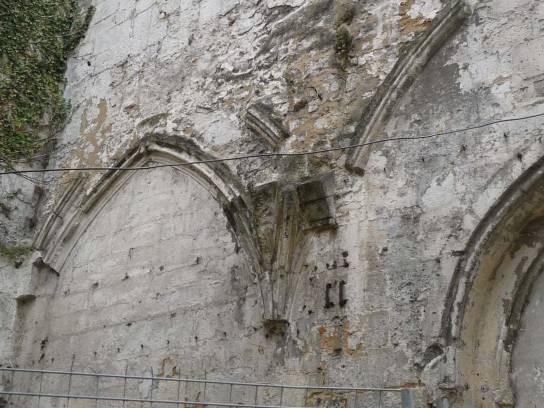 Photo creditJack maLicenseCC BY-SA 3.0
-
 Photo creditJack maLicenseCC BY-SA 3.0
-
 Photo creditJLPCLicenseCC BY-SA 3.0
-
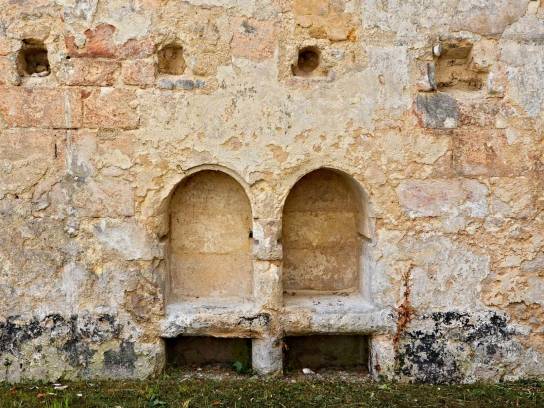 Photo creditJLPCLicenseCC BY-SA 3.0
-
 Photo creditJLPCLicenseCC BY-SA 3.0


About
Saint-Cybard Abbey is a former Benedictine abbey founded in the late 6th century around the hermitage of Saint Cybard; it became a major site in medieval Aquitaine and has undergone successive periods of destruction and reconstruction.
Foundation and Origins
The abbey was founded in the late 6th century in Angoulême around the hermitage of Saint Cybard, a hermit monk who lived in a cave beneath the city walls for 39 years and died in 581. The Benedictine monastery grew rapidly and became notable for serving as the burial site for the bishops and counts of Angoulême around the year 1000. Located on the left bank of the Charente River, it played a central role in local religious and social life.
History and Destruction
The abbey suffered numerous instances of destruction over time:
- It was rebuilt in the 11th century after being burned by the Normans.
- The English invasions subsequently left it in ruins, requiring reconstruction work in the 15th century.
- The Protestants contributed to its devastation during the Wars of Religion.
- During the French Revolution, it was sold as national property.
- For a time, from 897 to 906, it housed the monks of Charroux Abbey.
Remains and Architecture
Buildings from the 13th, 15th, 16th, 17th, and 18th centuries remain, notably:
- Vaulted cellars and living quarters.
- A monumental gate and vaulted passageways.
- Remains of the infirmary and the cloister
These ruins bear witness to the abbey's architectural evolution and historical significance over the centuries.
Historical and Cultural Significance
- Saint-Cybard Abbey was one of the most important religious sites in Aquitaine, serving as a place of worship, a burial site for local dignitaries, and a spiritual center. It also illustrates the history of the interplay between politics, religion, and warfare over the centuries in the Angoulême region.
- The abbey has been partially listed as a historic monument since December 5, 2007.
In summary, the former Saint-Cybard Abbey is a major historic monument in Charente, founded as early as the 6th century, having undergone destruction and reconstruction, and whose ruins still bear witness to its central role in the Middle Ages and its importance to the local religious and historical heritage.
Entry from the Mérimée database (architectural heritage): PA16000038