Marengo Square
-
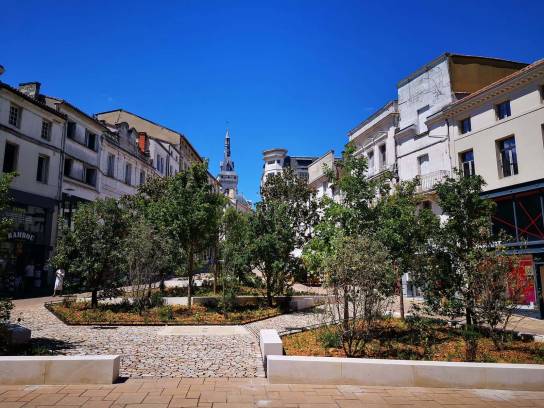 Photo creditgoldObot

About
Marengo Square is an iconic square in the historic center of Angoulême, located at the junction of City Hall (the former count's castle), Rue Hergé, and the Saint-Martial neighborhood. Today, it serves as a hub for foot traffic, social gatherings, and events in the heart of the Angoulême plateau.
History
The square's history is closely tied to the development of the old town. Below the square once stood the Ursuline convent, founded in the 17th century, some remnants of which still remain. After the French Revolution, the convent buildings were sold and gradually converted, paving the way for the neighborhood's development.
Throughout the 19th and 20th centuries, the square underwent numerous changes:
- a space for traffic and commerce;
- a square that was first paved and later asphalted;
- a pedestrian zone featuring shops and outdoor dining areas.
The city emphasizes that the square "has constantly reinvented itself” throughout its history, adapting to the needs of each era.
Heritage
Since 2003, the square has been home to a bust of Hergé, created by Chinese sculptor Tchang Tchong-jen, a friend of the creator of Tintin. Originally installed at the National Comic Strip Center in 1989, the monument was moved to Marengo Square when Rue Hergé was created. Today, it is one of the city's "small heritage” landmarks.
The square also offers beautiful views of several major landmarks:
- the Count's Castle;
- Angoulême City Hall;
- the historic streets of the old town.
Current Developments
The City of Angoulême has launched a major project to renature the square in order to adapt it to climate change. The project includes:
- the creation of a green oasis with trees and shrubs;
- the preservation of existing magnolias;
- greater biodiversity;
- the preservation of the terraces, pedestrian paths, and service access points.
Archaeological surveys were conducted prior to construction to preserve any potential historical remains.
Today, Marengo Square is a space where historical heritage, comic book culture, and contemporary urban design converge. It is a key stop on Angoulême's tourist routes, particularly those dedicated to heritage and the "ninth art.”